iTelematics® · Space Research
Space Station Digital Twin R&D
Engineering the Intelligence Behind Future Space Stations.
Research and develop physics-based digital twins, energy systems intelligence, integrated health monitoring and engineering assurance technologies for future orbital infrastructure.
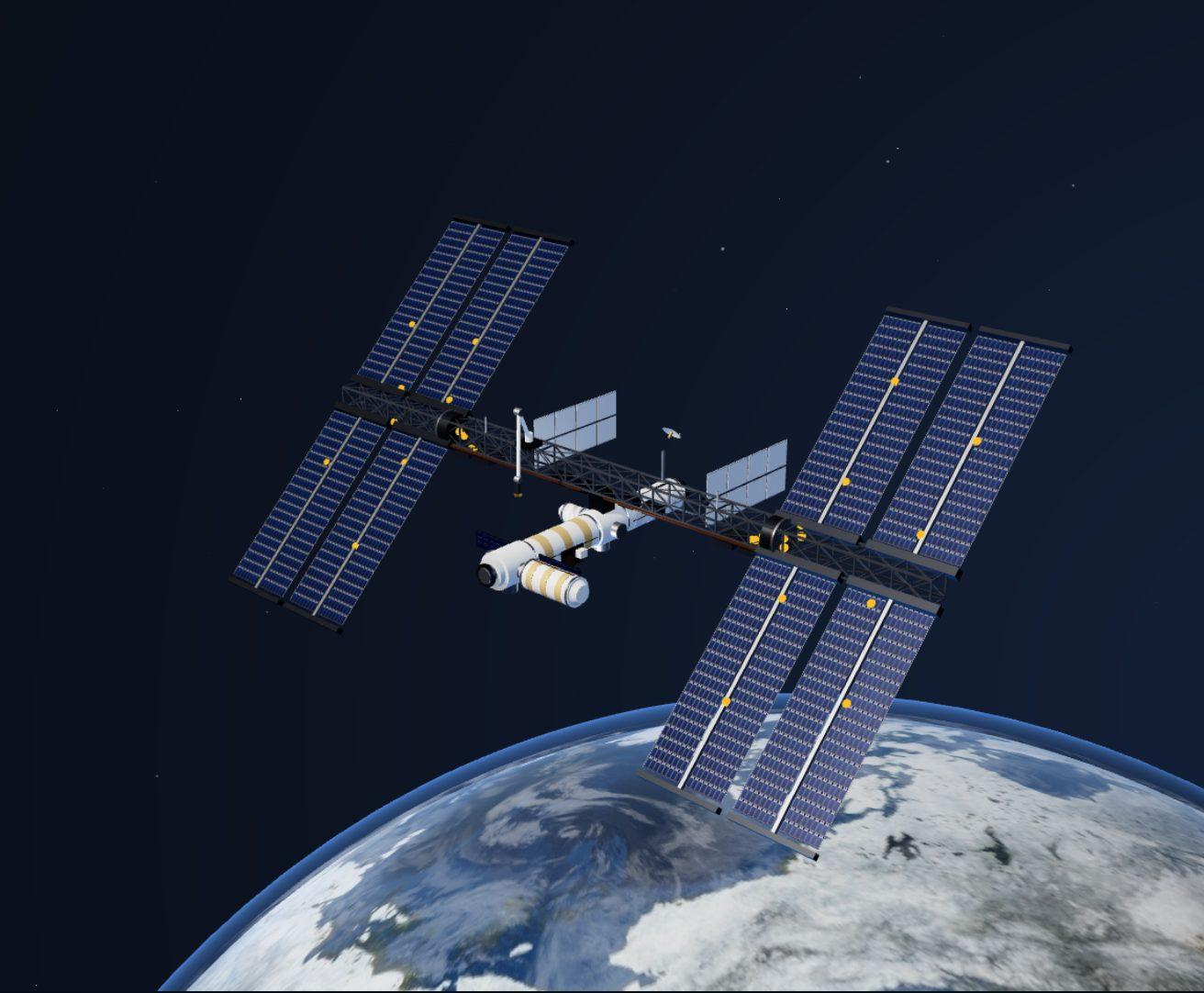
Solar · EPS · Battery · Sensors · Telemetry · Health
Space Station Digital Twin Research Lab →Can the satellite complete its mission safely?
Everything begins with energy, sensing and reliable telemetry. Understanding spacecraft energy and health is an essential foundation for integrated orbital infrastructure research.
- SunEnergy source
- SolarGeneration
- EPSRegulation
- BatteryStorage
- LoadsConsumption
- SensorsMeasurement
- TelemetryCommunication
- MissionDecision
iTelematics® · Space Research
Space Digital Twin
Learn to Protect Missions.
Build Systems That Protect Spacecraft.
- Physics-based
- Mathematical models
- Data-driven
- AI health monitoring Planned
- Cybersecurity Planned
Explore. Experiment. Understand.
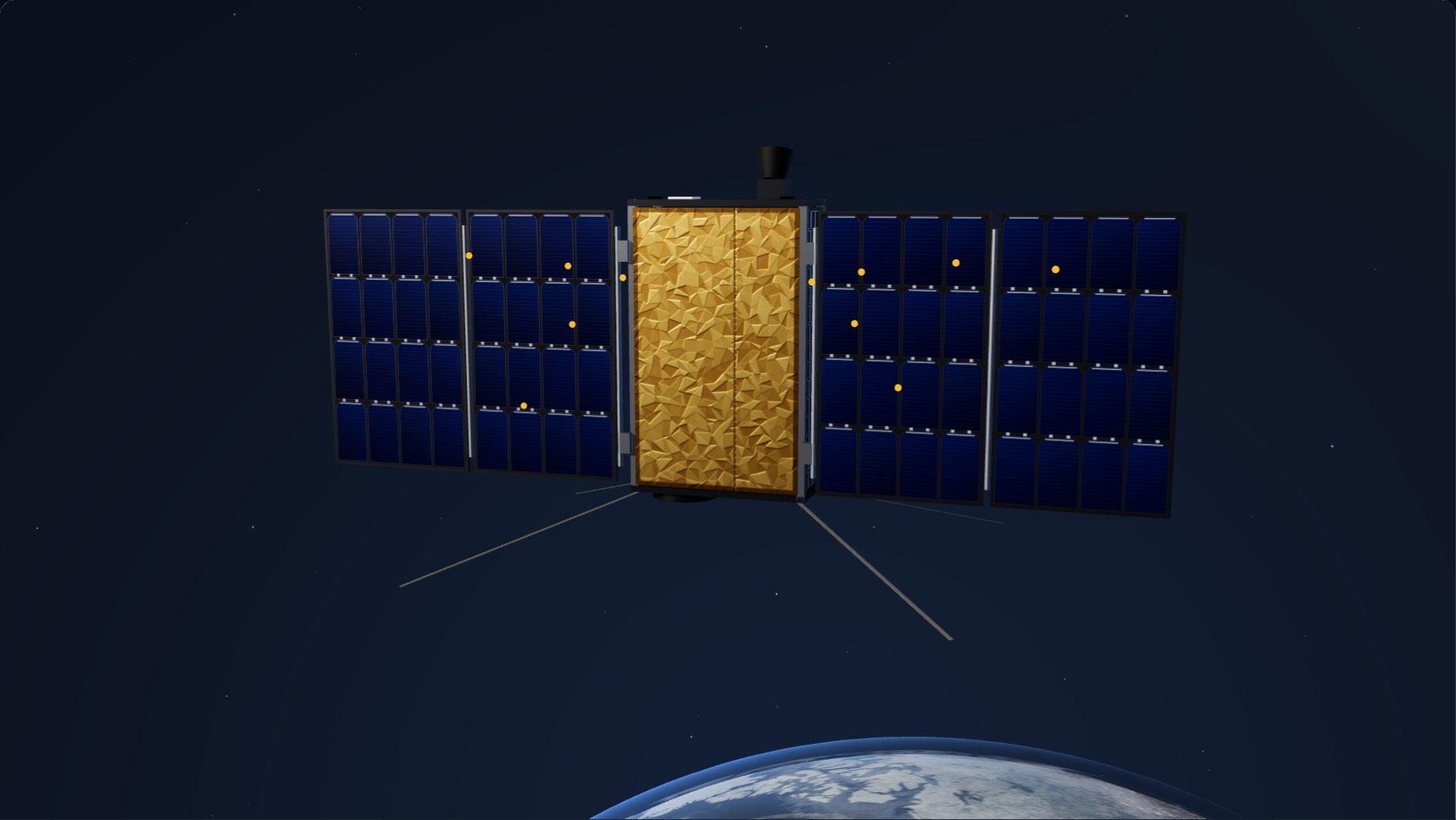
Pick a subsystem, or click it on the model.
Satellite, stage 1 of 4: Spacecraft reveal
Model assumptions and limits
- 550 km circular orbit, β ≈ 20°: 95.6-minute orbit with 34.8 minutes of eclipse (cylindrical shadow).
- Orbit-average array power 41.8 W in sunlight; loads 22 W in sunlight and 14 W in eclipse (payload off); η_EPS 0.9, charge efficiency 0.95, 86 Wh battery.
- Fault: the published heater-stuck scenario (+6 W). Detection is a rule: SOC more than 0.8 percentage points below the model's prediction.
- Safe mode turns the payload off in every phase (14 W). Orbit margin: nominal +20.0 %, with the fault −9.1 %, in safe mode +12.8 %. No credit is taken for the sun-pointing attitude.
- The loop restarts from the settled nominal state; the spacecraft model is generic, not flight hardware.
Fault detection and protective actions here are deterministic engineering rules, not trained AI. AI-based anomaly detection, battery-health estimation and quantum-inspired scheduling are planned research.
Explore satellites, spacecraft, orbital constellations and space stations through realistic 3D engineering experiences. Discover how electrical power, energy storage, telemetry, physics, cybersecurity and intelligent health monitoring support space missions.
Flagship research
Satellite Energy & Telemetry Intelligence
Model how spacecraft generate, store, consume and report energy throughout a mission. Foundational spacecraft energy research supporting the development of future station power and health intelligence.
- State
- Sunlight
- Solar
- 41.8 W
- Load
- 22.0 W
- Battery
- 98.4 %
- charging
- Margin
- +15.6 W
- surplus
- Link
- Contact
- downlink
6U reference case · simulated values, not flight data
Interactive satellite
Open the spacecraft.
Explore subsystem relationships, power paths, telemetry and mission flow.
Explore complete Satellite Engineering ↗ (opens in a new tab)Space Station Digital Twin Research Lab
Scientific research, mathematical modelling, physics simulation, engineering prototypes, telemetry and health monitoring, experimentation and verification evidence, inspired by startup ideas and real industry requirements.
- 01Startup Ideas
- 02Industry Requirements
- 03Practical Projects
- 04Research & Engineering Development
Engineering ecosystem
How each relationship stands →Gamyaa AeroSystems
Engineering collaboration
APEX Rocket Systems External
Proposed · concept stage
UFlight™
Engineering ecosystem
iFab Innovations External
Engineering & Innovation Ecosystem
EV Society™
Ecosystem partner
EV.ENGINEER™
Operated by iTelematics®
Thasmai Infotech Private Limited
CanSat & Model Rocketry
ISHAVASYAM.ORG
Space station research initiative
STELLR SPACE
Space Education
Collaborate on Space Station Digital Twin Research.
Research, engineering projects, technical reviews, collaboration or consultancy.